Thank you for writing to us. One of our executive will reach back to you through your submitted medium. In case there’s an urgency, feel free to connect over WhatsApp for faster response.
Prefer calling? Dial +918048037969 (International callers) or 08048037969 (Indian callers).
Running the Marathon of Recovery: Defeating Calf M...
65329c940b4f4125a4f88659"
Running the Marathon of Recovery: Defeating Calf Muscle Knots
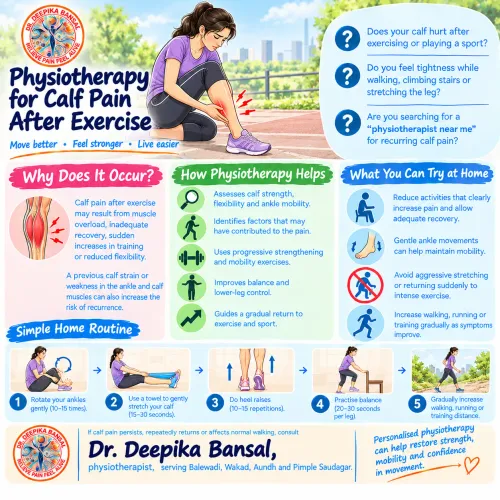
For marathon runners, calf muscle knots can be an unwelcome obstacle on the road to peak performance. In this article, we'll explore why calf muscle knots occur, the impact they have on runners, and effective strategies to untangle those knots and get back to the race.
Understanding Calf Muscle Knots:
The Culprits: Calf muscle knots, also known as muscle knots, trigger points, or myofascial trigger points, are tight bands of muscle fibers that have contracted and become hyperirritable. They often develop due to overuse, inadequate stretching, or muscle imbalances.
Symptoms: Runners with calf muscle knots may experience pain, stiffness, and reduced flexibility in the calf muscles. These knots can lead to discomfort and impact running performance.
Untangling the Knots:
RICE Method: Rest, ice, compression, and elevation can help reduce inflammation and relieve pain. Applying an ice pack to the affected area can soothe the muscles.
Stretching and Foam Rolling: Incorporate calf stretches into your daily routine to improve flexibility and prevent muscle knots. Foam rolling can also help release tight knots.
Physiotherapy: A physiotherapist can provide targeted stretching and strengthening exercises to address muscle imbalances and prevent knots from reoccurring.
Massage Therapy: Deep tissue massages from a qualified therapist can target and release stubborn knots. Regular massage can be a preventive measure.
Hydration and Nutrition: Staying well-hydrated can help prevent muscle cramps and knots. Ensure your diet includes essential nutrients like magnesium and potassium.
Gradual Return to Running: While recovering, avoid excessive running that may exacerbate the knots. Ease back into your running routine gradually to prevent re-injury.
Preventing Future Knots:
Proper Warm-Up: Always warm up before your runs with dynamic stretches and mobility exercises.
Strength Training: Strengthening your calf muscles through exercises like calf raises can help prevent knots.
Footwear: Ensure that you have appropriate running shoes with good arch support to prevent muscle imbalances.
Regular Hydration: Staying well-hydrated is essential. Consider sports drinks that contain electrolytes for longer runs.
The Road to Recovery: Recovering from calf muscle knots is like running a marathon in itself. It requires patience, dedication, and a well-thought-out strategy. Keep your eye on the finish line, which is a future free from muscle knots and filled with successful runs.
In conclusion, calf muscle knots may be a hurdle in your marathon journey, but they are not a roadblock. With the right approach to recovery and prevention, you can keep your calf muscles knot-free and enjoy your runs without discomfort. Remember, the marathon is not just about the race day; it's about the entire journey, including the hurdles you overcome along the way.